Пинко: Оғози осон бо бонуси истиқбол ва бозиҳои аҷиб
The evolution of gambling tracing its historical roots and cultural impact
The Origins of Gambling
The history of gambling can be traced back thousands of years, with evidence suggesting its roots in ancient civilizations such as China, Greece, and Rome. Archaeological findings have revealed that dice, made from bone and shell, were used in games of chance as far back as 3,000 BC. Ancient Chinese texts document the existence of gambling games similar to modern-day lottery systems, illustrating that the desire to predict outcomes and win rewards is ingrained in human nature. For players seeking a diverse gaming experience, many turn to online casino neosurf options, which provide accessible choices while emphasizing secure transactions.
In ancient Rome, gambling was often associated with social events and public gatherings. Citizens placed bets on various games, including chariot races and gladiator contests. This not only provided entertainment but also fostered a sense of community among spectators. Roman lawmakers even attempted to regulate gambling by imposing fines and restrictions, highlighting the dual nature of gambling as both a source of pleasure and potential social concern.
As cultures evolved, so did the methods and formats of gambling. In medieval Europe, gambling became entrenched within society as card games emerged. These games transitioned from informal pastimes to regulated activities in establishments known as gambling houses. This period laid the groundwork for the modern gambling industry, illustrating a shift from individual play to organized gaming environments.
The Rise of Modern Gambling
The 17th and 18th centuries marked a significant turning point in the evolution of gambling, with the establishment of formal casinos in Europe. The first recognized casino, the Casino di Venezia, opened its doors in Italy in 1638, setting the stage for a trend that would sweep across Europe. These venues offered not just gambling but also a social atmosphere where people could gather, socialize, and enjoy entertainment, effectively transforming gambling into a popular leisure activity.
In the United States, gambling began to gain momentum during the early 19th century, with the advent of the lottery and poker games in saloons. The Gold Rush era saw a proliferation of gambling establishments, particularly in burgeoning cities like San Francisco. This period solidified gambling as an integral aspect of American culture, one often intertwined with themes of luck, risk, and the pursuit of fortune.
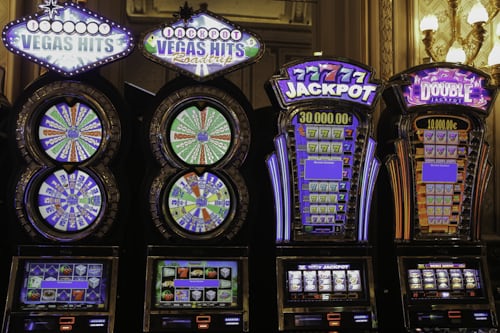
The 20th century saw further transformation, as Las Vegas emerged as the gambling capital of the world. The legalization of gambling in Nevada in 1931 was a pivotal moment, leading to the creation of lavish resorts and casinos. This marked a shift in how gambling was perceived, transitioning from a potentially disreputable activity to a glamorous and accepted form of entertainment. The allure of Las Vegas popularized gambling and contributed to its normalization across society.
Cultural Impact of Gambling
Gambling’s cultural impact is profound, influencing literature, film, and social interactions. Many classic novels and films feature gambling as a central theme, often exploring the allure and dangers of games of chance. From Fyodor Dostoevsky’s “The Gambler” to the cinematic portrayal of high-stakes poker in “Rounders,” these narratives delve into the psychological complexities of gambling addiction and the consequences of risk-taking behavior.
Moreover, various cultures have embraced gambling as a means of social bonding and community interaction. In many societies, games of chance serve as traditional activities during festivals and celebrations, fostering camaraderie among participants. Events like horse racing and poker tournaments have become focal points of social gatherings, transcending mere entertainment and becoming integral to cultural identity.
However, the cultural ramifications of gambling also include darker aspects. The rise of gambling addiction and its associated social issues has led to calls for responsible gambling practices and increased awareness. Many countries have implemented regulations and support systems to address addiction, highlighting the need to balance enjoyment with responsibility in gambling activities.
The Psychological Aspects of Gambling
The psychology of gambling is a complex field, encompassing various motivations and behaviors that drive individuals to engage in games of chance. Many gamblers are motivated by the thrill of risk and the potential for reward. The excitement generated by uncertainty can create a dopamine release in the brain, reinforcing the desire to continue gambling. This chemical response can lead to a cycle of addiction, where individuals chase losses in the hope of recouping funds.
Additionally, cognitive biases play a significant role in gambling behavior. Gamblers often overestimate their chances of winning, a phenomenon known as the “illusion of control.” This cognitive distortion can lead individuals to believe they have a greater influence over random outcomes than they truly do. Such misconceptions can encourage prolonged engagement with gambling, despite mounting losses.
The social aspect of gambling also influences psychological engagement. Many individuals gamble in social settings, using it as a means to bond with friends or family. The combination of social interaction and the thrill of risk can create a powerful draw, making it difficult for some to recognize when their gambling habits become problematic. Awareness and education about these psychological factors are crucial in promoting responsible gambling practices.
Responsible Gambling and Modern Trends
As gambling continues to evolve, the importance of responsible gambling practices has gained prominence. Many jurisdictions have recognized the need for regulations that protect players from potential harm. Initiatives such as self-exclusion programs, age restrictions, and public awareness campaigns aim to mitigate the risks associated with gambling, ensuring that individuals can enjoy gaming without negative consequences.
The digital age has transformed the gambling landscape, bringing about online casinos and mobile gaming. This shift has made gambling more accessible, but it also presents new challenges in terms of responsible play. Many online platforms are now prioritizing player safety by implementing measures such as deposit limits and responsible gaming tools, helping users maintain control over their gambling habits.
Moreover, emerging technologies like blockchain and artificial intelligence are poised to reshape the gambling industry. These innovations promise increased transparency and fairness in gaming, potentially enhancing the overall player experience while emphasizing the importance of responsible gambling. As the industry evolves, staying informed about trends and practices is essential for players seeking a safe and enjoyable gaming experience.

Exploring Online Casino Options
For those interested in diving into the world of gambling, exploring online casinos can be an exciting venture. Many platforms offer a variety of games, bonuses, and payment methods, catering to diverse preferences and ensuring players have access to enjoyable experiences. One such payment method gaining popularity is Neosurf, which allows users to make secure deposits while maintaining their privacy.
Online casinos not only provide convenience but also a wealth of resources aimed at promoting responsible gambling. Players can find information on self-management tools, educational materials, and support services to ensure their gaming remains a positive experience. By choosing reputable online casinos that emphasize player safety, individuals can make informed choices in their gambling journey.
In conclusion, the evolution of gambling reflects a rich tapestry of history, culture, and psychology. Understanding its roots and cultural impact can enhance one’s appreciation for this age-old practice, while recognizing the importance of responsible gambling ensures a safe and enjoyable experience in today’s dynamic gaming landscape.
פוסטים נוספים:
