
Les mythes du jeu ce que vous ne savez pas et qui influence vos choix
The untold history of gambling From ancient rituals to modern casinos World Cup football tips Today
The Origins of Gambling in Ancient Cultures
The history of gambling can be traced back thousands of years, with evidence of its existence in ancient civilizations. Archaeologists have discovered artifacts such as dice dating back to 3000 BCE in Mesopotamia, indicating that games of chance were played in some form. Many cultures utilized gambling as a means to make decisions or predict outcomes, incorporating it into religious rituals and community events. For instance, the Chinese were known to use betting systems in their ancestral worship, which highlights how entwined gambling was with cultural beliefs. In today’s context, enthusiasts seeking insights can visit the World Cup Predictions Today hub on worldcuppredictions.today to improve their understanding of football betting.
In ancient Rome, gambling was a popular pastime among all classes, and the Romans developed various forms of betting, including betting on gladiatorial contests and chariot races. The Romans viewed these activities not only as entertainment but also as a reflection of fate and destiny. These rituals often involved the divine, as participants would invoke the gods for a favorable outcome. This intertwining of gambling with the spiritual realm indicates that the practice served as more than mere entertainment; it played a significant role in social and cultural dynamics.
Similarly, in ancient Greece, gambling was prevalent, especially during sporting events like the Olympic Games. Spectators would place bets on their favorite athletes, with winnings often enhancing social status. This early form of gambling provided a communal experience, uniting spectators in a shared investment in the outcome. The significance of these ancient games helped lay the foundation for modern sports betting, which continues to draw passionate fans from all walks of life today.
The Evolution of Gambling Through the Ages
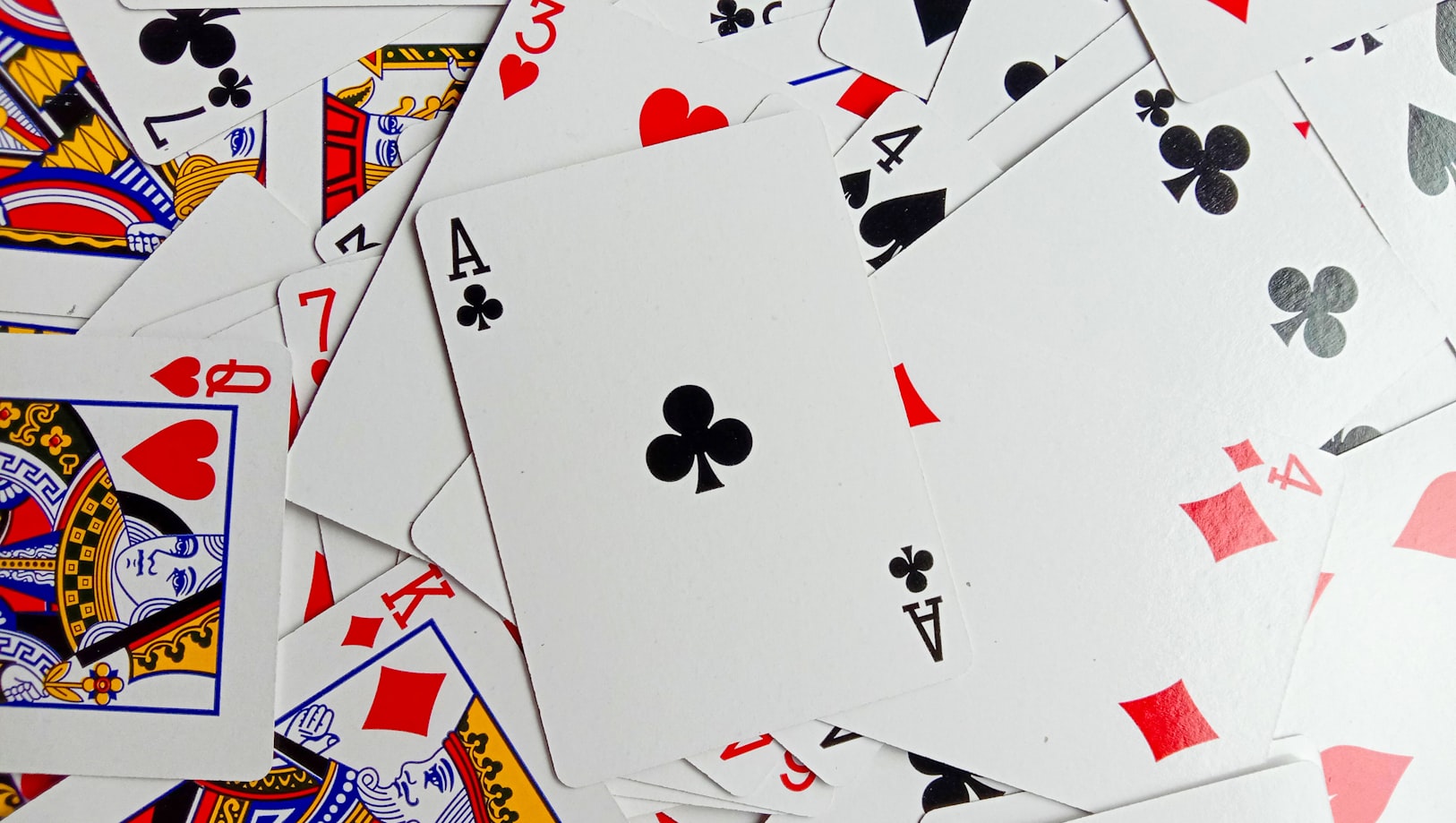
As societies evolved, so did the forms and practices of gambling. During the Middle Ages, gambling was often linked to nobility, with card games emerging as a popular pastime among the elite. The introduction of playing cards in Europe led to the proliferation of various gambling games, some of which have persisted to this day. The rise of gambling houses and the establishment of regulations reflected an increasing societal acceptance of these activities, eventually paving the way for modern casinos.
The Renaissance period marked a significant turning point in gambling history. This era saw the birth of more structured games and the commercialization of gambling. In the 17th century, the first formal gambling establishments began appearing in Italy, influencing the creation of modern casinos. These venues not only offered games of chance but also became centers of social interaction, blending leisure with the thrill of betting. The concept of house advantage emerged, which would eventually shape the development of the gaming industry.
By the 19th century, gambling had spread across the globe, fueled by colonization and trade. The establishment of Las Vegas as a gambling hub in the mid-20th century marked a new chapter, transforming the perception of gambling from a taboo activity to a legitimate form of entertainment. With the rise of technology in the 21st century, online gambling has taken center stage, allowing individuals to engage in betting from the comfort of their homes. This evolution reflects changing attitudes toward gambling and its integration into modern society.
The Impact of Gambling on Local Economies
The establishment of casinos has significantly influenced local economies, particularly in areas where gambling is legalized. These venues create jobs, from construction to hospitality, stimulating economic growth. Local businesses often thrive as tourists flock to casinos, leading to increased spending in restaurants, hotels, and retail stores. The economic multiplier effect ensures that money spent in casinos circulates within the community, benefiting a wide range of sectors.
Moreover, tax revenue generated from gambling operations is a vital source of funding for local governments. These funds often support public services such as education, healthcare, and infrastructure projects. In many cases, states have utilized gambling revenue to address budget deficits and invest in community programs. The positive economic impacts of casinos can be seen in various regions, with some cities relying heavily on gambling as a primary source of income.
However, it is essential to acknowledge the potential downsides of gambling on local communities. Issues such as addiction and crime can arise, posing challenges that local governments must address. Striking a balance between promoting economic growth and ensuring responsible gambling practices is crucial for the long-term health of local economies. As the landscape of gambling continues to evolve, so too will the conversations surrounding its impacts on society.
The Role of Technology in Modern Gambling
The advent of technology has transformed the gambling landscape, introducing innovative gaming experiences that cater to a global audience. Online casinos have surged in popularity, offering convenience and accessibility to players worldwide. With just a few clicks, individuals can engage in a variety of games, from slots to poker, from the comfort of their homes. This shift not only provides entertainment but also democratizes gambling, allowing a broader demographic to participate.
Furthermore, mobile technology has made gambling more engaging than ever. Mobile apps allow players to bet on sports, play games, and participate in live dealer experiences, all while on the go. The integration of artificial intelligence and machine learning in gaming platforms enhances user experiences through personalized recommendations and improved customer service. As technology continues to advance, the future of gambling will likely involve even more sophisticated and immersive experiences.
However, the rapid growth of online gambling raises important questions about regulation and consumer protection. Governments worldwide are grappling with how to manage this burgeoning industry while safeguarding players. Responsible gambling initiatives, including self-exclusion programs and educational resources, are essential to address potential risks associated with online betting. Ensuring a safe and fair gambling environment will be key as the industry evolves in the digital age.
World Cup Football Tips Today
As the FIFA World Cup approaches, football enthusiasts are eager to capitalize on the excitement by placing bets on their favorite teams. Comprehensive analysis and expert predictions play a crucial role in making informed betting decisions. Factors such as team form, player injuries, and tactical matchups are essential considerations for bettors looking to gain an edge in the competitive world of sports betting. For those searching for World Cup football tips Today, staying updated with timely insights is vital.
In addition to traditional betting options, many online platforms offer live betting, allowing fans to place wagers during matches. This dynamic form of gambling adds an extra layer of excitement, as bettors can adjust their strategies based on real-time events. The influx of data and statistics from recent games provides bettors with valuable insights, enabling them to make more informed choices.
Ultimately, having access to thorough analysis and tips can significantly enhance the betting experience during the World Cup. Whether a casual fan or a serious bettor, understanding the intricacies of the tournament can lead to more strategic decisions. By staying informed and leveraging expert insights, individuals can maximize their enjoyment of the World Cup while engaging in responsible betting practices.
פוסטים נוספים:
